Understanding the Significance of Mohini-God
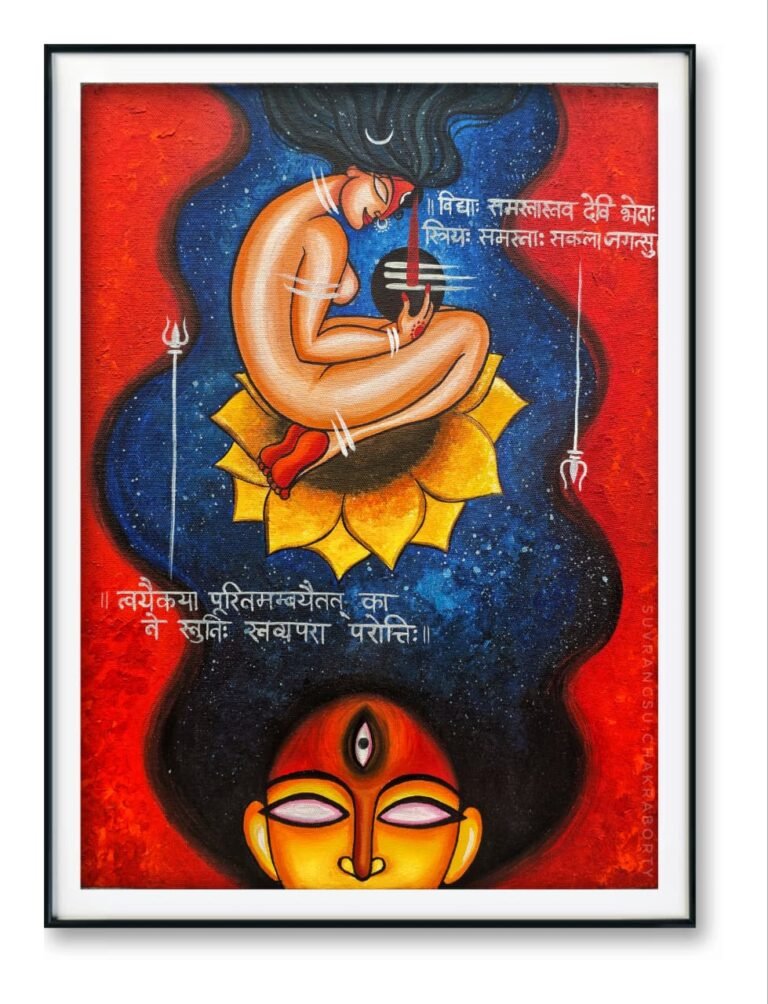
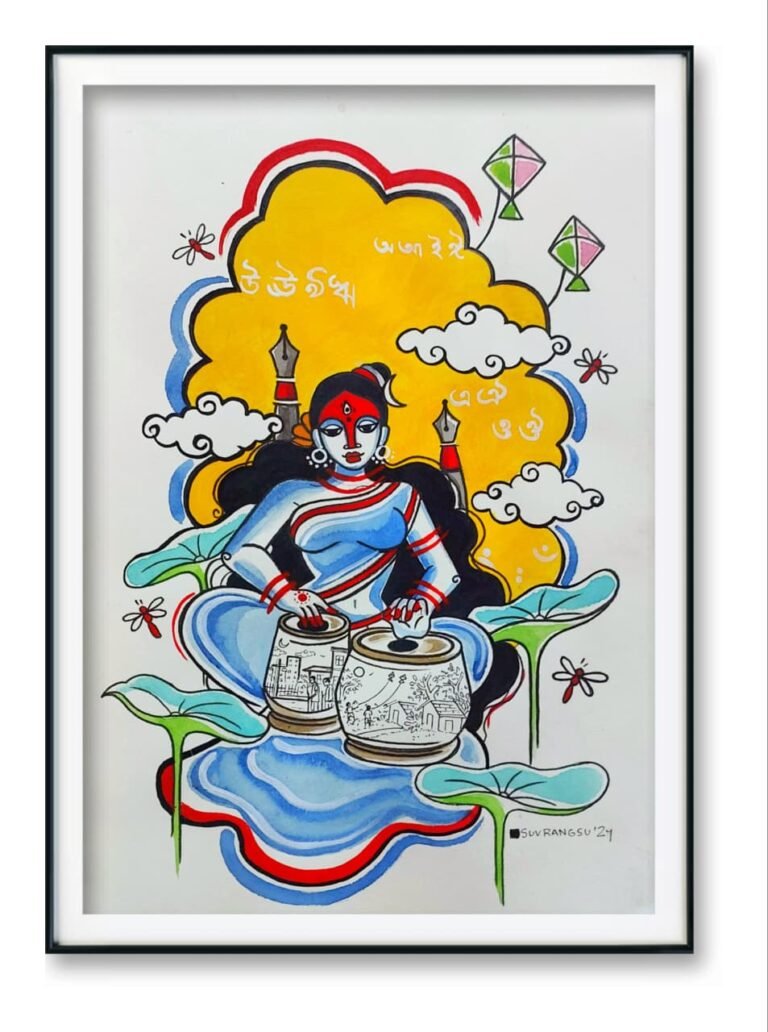
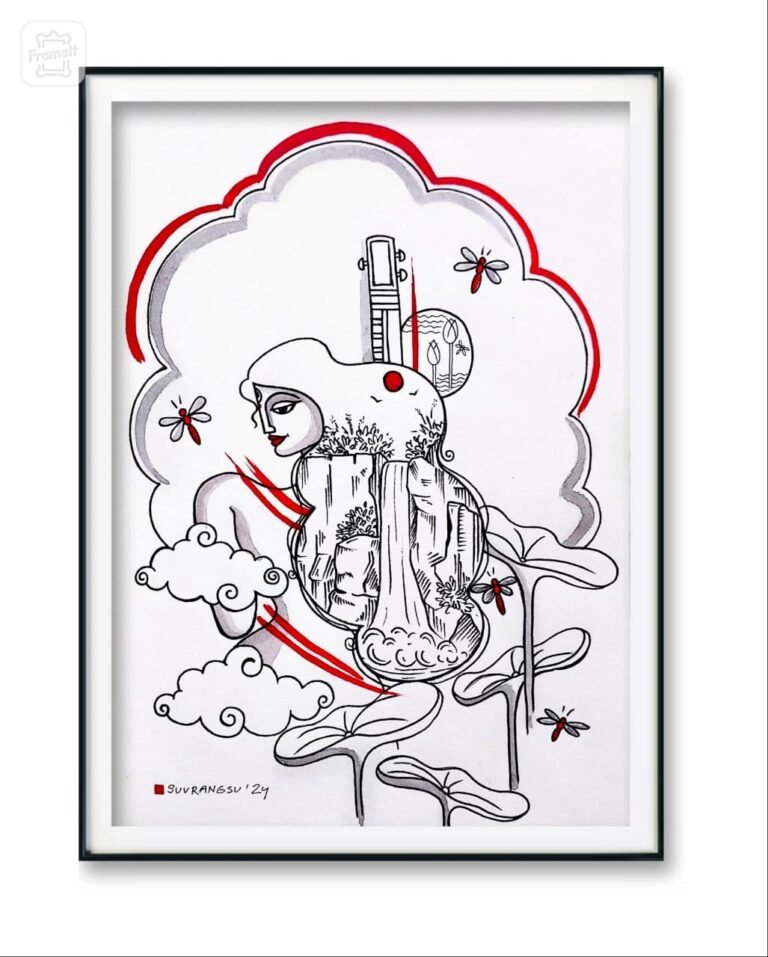
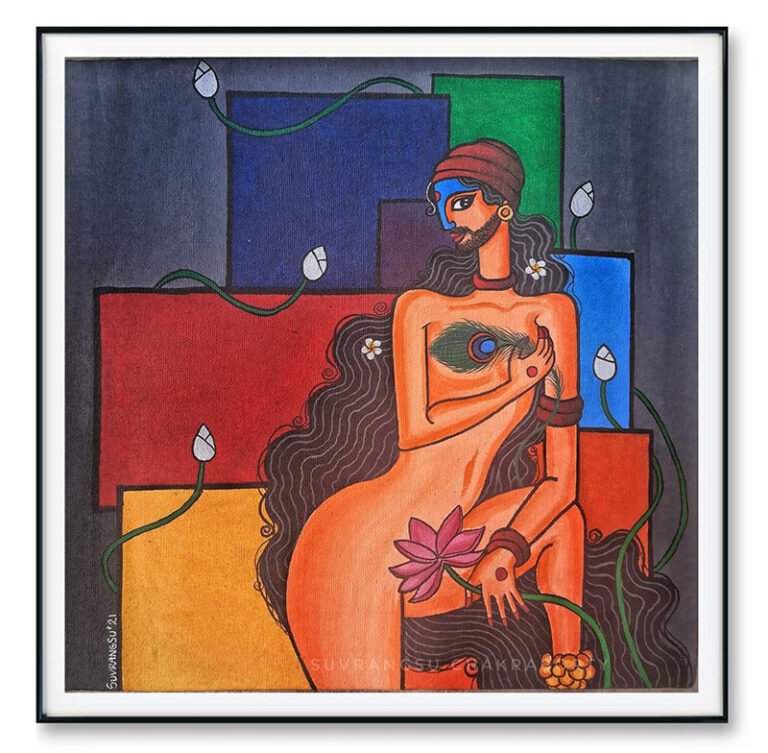
The concept of Mohini-God transcends traditional notions of gender and color, embodying a universal appeal that speaks to diverse audiences. This unique representation challenges preconceived ideas about deities and encourages a more inclusive perspective. Artists often depict Mohini-God in various forms, providing a multitude of interpretations, each resonating differently with individuals across cultures.
The Artistic Representation of Mohini-God
When painting Mohini-God, artists often emphasize fluidity and grace, characteristics that draw viewers in. This portrayal allows for an exploration of themes like beauty, charm, and allure, which are not confined to a specific gender or ethnicity. By embracing a wide array of colors and styles, each painting of Mohini-God serves as a reminder that divinity can manifest in countless forms, making it relatable to anyone who gazes upon it.
The Universal Appeal of Mohini-God
In today’s multicultural environment, the relevance of Mohini-God’s representation continues to grow. It resonates with individuals searching for connection beyond the limitations of societal norms. The depiction of Mohini-God reminds us that essence and identity are multifaceted, providing a sense of community and belonging for people of all backgrounds. As more artists explore this divine figure in their work, the vision of Mohini-God remains a potent symbol of unity and acceptance.
⚖️ Copyright Notice
All jewellery designs, artworks, photographs, written works, and creative content displayed on this website are the intellectual property of [Client’s Name / Brand Name].
Any unauthorized use, reproduction, distribution, or imitation of these materials — in whole or in part — is strictly prohibited and may lead to legal action under applicable copyright and intellectual property laws.